is epoxy toxic?

by Lifetime Green Coatings |

Jan 21, 2020 |

Is Epoxy Toxic? Understanding Health Risks and Safer Alternatives

Besides floor coatings, epoxy products are used for spray foams, paints, plastics, dental cement, and much more. Most of the time, people use it in jobs where they need tough coatings and adhesives. Epoxy works by curing through a chemical reaction between resin and hardener, transforming the liquid into a solid material. Fillers, often solvents, do not participate in this chemical reaction, which can lead to off-gassing and toxicity if not fully bound. As epoxy cures, it becomes a solid, inert material that is safe to touch and no longer off-gasses.

However, numerous downsides follow epoxy resin systems. Uncured epoxy resin is toxic and can trigger allergic reactions, and hardeners are generally more corrosive and toxic than the resin itself. Many resins marketed as ‘non-toxic’ still contain solvents that don’t fully bind and can cause lingering health issues. Uncured epoxy releases volatile organic compounds (VOCs) that contribute to air pollution and can trigger headaches and nausea, especially in poorly ventilated spaces. Even a faint smell from epoxy resin can indicate ongoing chemical reactions and potential hazards. Epoxy that hasn’t fully hardened is hazardous to fish and other marine life, even in small amounts, so proper disposal following hazardous waste guidelines is essential.

The most common effects of overexposure to unhealthy epoxy chemicals are skin allergies, asthma, and irritations of the eyes, nose, and throat. Inhaling epoxy fumes can harm the respiratory system, causing irritation, long-term damage, and respiratory conditions. If epoxy fumes are inhaled, move to fresh air immediately and seek medical attention if symptoms persist. Issues such as dizziness or headaches occur quite often. Repeated contact with uncured epoxy should be avoided, as it increases the risk of chronic skin irritation and allergic reactions. Always wash your hands thoroughly after handling epoxy, and discontinue use and seek medical advice if you experience any allergic reactions or skin irritation.

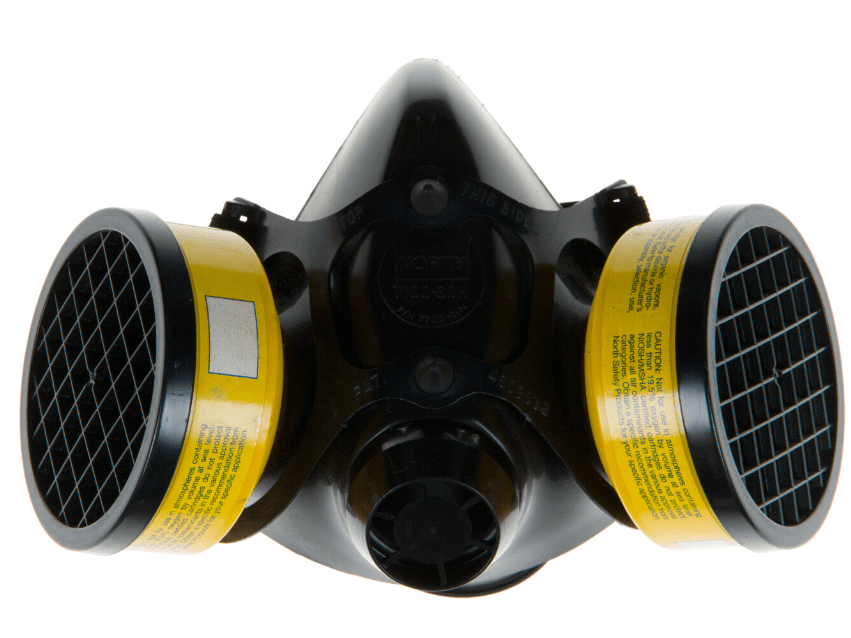
To mitigate risks, follow strict safety protocols: avoid repeated contact with uncured epoxy, always work in a well-ventilated area, and use proper ventilation such as opening windows and using fans to prevent vapor buildup. When working indoors or with large quantities of epoxy, use an organic vapor respirator. Wear PPE such as nitrile gloves and safety goggles to prevent exposure. Label your workspace clearly and keep unprotected individuals out of the space. Avoid heating epoxy to speed up curing, as this can increase the release of harmful fumes.

The Safety Data Sheet (SDS) provides essential information on the safe handling and potential hazards of epoxy resin. For example, when reviewing the SDS for a specific resin product, check the section on exposure controls and personal protection to understand the recommended safety measures. A Toxicological Risk Assessment should consider every aspect or state of the material, including resin and hardener separately and combined, in both liquid and cured forms. Products with filler-free formulations cure fully and cleanly, avoiding the release of harmful VOCs and ensuring safety in sensitive environments. For epoxy used on food surfaces, ensure it meets food contact safety standards, including migration testing and certification, as consumer-grade and industrial-grade products may differ.

But, let’s go through each category and understand all the harmful effects of chemicals coming from epoxy.

Epoxy Products and Safety

Epoxy products, including epoxy resin, have become staples in industries ranging from construction to creative arts, thanks to their impressive strength and versatility. However, it’s important to recognize that epoxy resin can be toxic, especially in its liquid state before it cures. During the curing process, epoxy releases volatile organic compounds (VOCs) into the air, which can pose significant health risks if not managed properly.

To protect yourself from the hazards of uncured epoxy and VOCs, always prioritize safety precautions. Wearing protective equipment, such as nitrile gloves, is essential to prevent skin contact and reduce the risk of skin irritation or allergic reaction. For projects that generate fumes or dust, a respirator and working in a well-ventilated area—ideally with windows open—are crucial steps to minimize inhalation of volatile compounds. Repeated exposure to epoxy fumes can lead to chronic respiratory issues, so never underestimate the importance of fresh air and proper exposure controls.

Before starting any project with epoxy products, review the safety data sheet (SDS) provided by the manufacturer. The SDS outlines the chemical composition, toxicological information, and recommended safety precautions for handling the particular brand of epoxy resin you’re using. Following these guidelines helps ensure compliance with health and safety regulations and reduces the risk of accidental exposure.

If you experience direct contact with uncured resin, wash the affected area immediately with soap and water. Should irritation persist, seek medical attention promptly. In cases of inhaling epoxy fumes, move to fresh air right away and consult a healthcare professional if you notice symptoms like watery eyes, headaches, or respiratory distress. Always keep first aid procedures in mind and know when to seek medical attention.

Some epoxy products contain additives like benzyl alcohol to reduce viscosity and improve flow. While these additives can make application easier, they may also increase health risks, including respiratory distress and skin irritation. Handle such products with extra caution, and always wear gloves and other protective equipment.

Beyond personal health, improper disposal of epoxy resin and hardener can cause environmental harm, particularly to marine life. Never pour leftover epoxy or cleaning solvents down the drain. Instead, follow local environmental regulations for disposal to help protect waterways and aquatic ecosystems.

For those seeking to reduce exposure and health risks, consider safer alternatives such as non-toxic or eco-friendly epoxy resins. These products offer similar durability and performance while minimizing the release of harmful chemicals. When selecting epoxy for surfaces that may come into contact with food, ensure the cured epoxy is certified food safe and always follow the manufacturer’s instructions.

In summary, epoxy products can be used safely if you take the right precautions. Always wear protective equipment, work in a well-ventilated area, consult the safety data sheet, and choose reputable, non-toxic brands. By following these steps, you can reduce the risks associated with exposure to epoxy and create a safer, healthier environment for yourself and those around you.

Skin irritation

All epoxy resin can cause skin irritation. Skin contact with uncured epoxy can cause burns and irritation. Wearing nitrile gloves and safety goggles is recommended to prevent exposure to uncured epoxy. Getting in touch with epoxy resins can often cause skin irritation. It is easy to recognize the symptoms, and some of the most common are redness, swelling, and itching on the hands.

Repeated contact with epoxy resin increases the risk of chronic health problems and should be minimized. Getting in touch with epoxy liquids can also lead to skin allergies, and they can develop even after many years of exposure to epoxies. If you experience any allergic reactions or skin irritation from epoxy resin, discontinue use immediately and seek medical advice.

Asthma and other lungs issues

Spray mists and vapors of epoxy system chemicals can often irritate lungs. Short-term exposure to epoxy fumes can cause throat irritation, coughing, and shortness of breath. These fumes can negatively impact the respiratory system, leading to irritation and potentially long-term respiratory conditions. Inhaling epoxy fumes, especially in high concentrations in an enclosed space, can be life-threatening.

Proper ventilation in the workspace is essential when working with uncured epoxy to minimize exposure to harmful fumes. Epoxy that hasn’t fully hardened is also toxic to fish and other marine life, even in small amounts. As a result, people can develop asthma, which is a permanent health disease. Usual symptoms of asthma are wheezing, coughing, and shortness of breath. Once a person gets allergic to curing agents, even the clouds of dust from sanding can trigger an asthma attack.

Reproductive system

Even though epoxy resins themselves do not affect reproduction, there are still solvents in these systems that can affect it negatively. Two solvents (2-ethoxyethanol and 2-methoxyethanol) can cause reduced sperm counts in men. Some glycidyl ethers can cause congenital disabilities in animals, and it is still not known whether the same effects can affect humans.

Nervous system

When solvents get absorbed through your skin, they often affect the central nervous system. On top of that, the effect is precisely the same when drinking alcohol. Common symptoms of solvent overexposure are nausea, confusion, headache, and a loss of consciousness.

Eyes, nose, and throat irritation

Most epoxy chemicals and their vapors can irritate your eyes, nose, and throat. Even a faint smell from epoxy can indicate ongoing chemical reactions and potential hazards, so it should not be ignored. Severe headaches are often the outcome of these irritations. Care not to get splashed into the eye with liquids – it is by far the worst-case scenario and can cause severe damage. However, if it happens, go and rinse your eyes with water, and call for medical attention immediately after that.

Cancer

Tests on laboratory animals showed that older epoxy resins caused skin cancer. It is, most likely, due to epichlorohydrin, which probably causes cancer in humans as well. However, newer epoxy resins contain less epichlorohydrin, so they don’t cause cancer in animals.

Also, particular glycidyl ethers in epoxy products can cause genetic mutations in animals. Even though that fact suggests that these ethers might be cancer-causing agents, it is still not known if ethers cause mutations or cancer in humans.

What is the best substitute for epoxies?

Fortunately, nowadays, we have a healthy substitution for harmful epoxies. There is an all-natural material, free of all toxins that can potentially harm people, and it is called Ecodur. It is entirely free of toxic Volatile Organic Compounds (VOC), as well as solvents and BPA. We were aware of USDA regulations when we were developing this non-epoxy floor coating. Therefore, we uphold the highest possible standards – the same ones that apply to food.

Besides being toxic-free, our natural floor coating is the ideal choice for anyone in the business of cannabis oil production. And most importantly, there is no unbearable smell as it is the case with epoxy. As a result, you will create a healthier, less suffocating environment.

And finally, our natural floor coating is less susceptible to cracking than epoxy-based coatings (which are considered to be durable). Therefore, it reacts better to the minor movement of the surface.

Conclusion

Even though it has been around for years, epoxy is not the healthiest option. As we mentioned throughout the article, chemicals in epoxy systems can cause health issues in almost every part of our body.

The cannabis industry provides much higher health standards, especially when it comes to goods that get in touch with humans. Natural materials in Lifetime Coatings are the guarantee of your health, but also the health of your family members or employees.

It is the right time to provide a safe working place for your employees or a healthy non-toxic home for your family!

FIND A LOCATION NEAR YOU